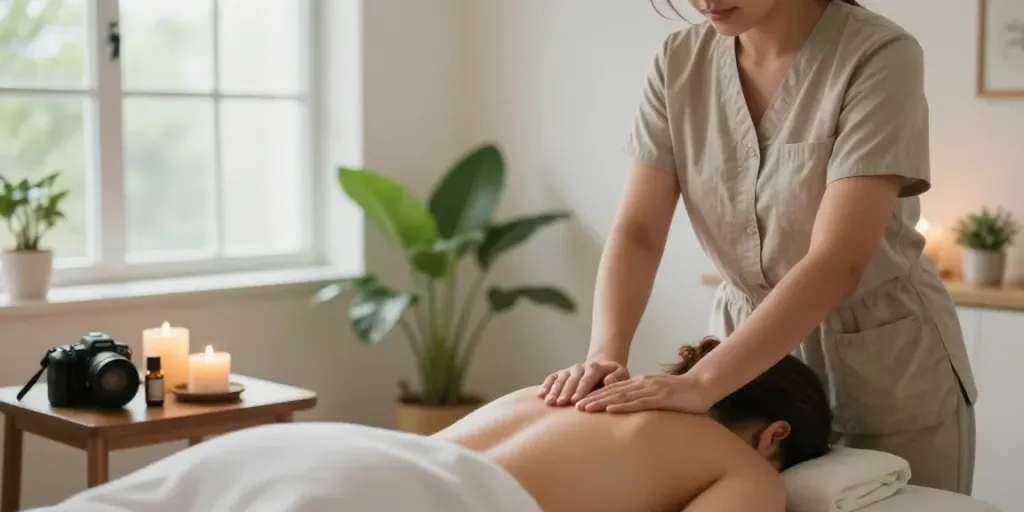
Understanding the Basics of Massage Therapy
Massage therapy is a holistic approach that addresses physical, mental, and emotional well-being through various techniques that manipulate the body's soft tissues. It has gained immense popularity across the globe for its therapeutic benefits. In Burlington, this art of touch is not just about relaxation; it's a vital component of health maintenance and recovery. When exploring options, Massage therapy Burlington provides comprehensive insights into the types of services available and their potential benefits.
What is Massage Therapy?
At its core, massage therapy involves the manipulation of muscles, tendons, ligaments, and connective tissues. A qualified therapist uses their hands, forearms, or even elbows to apply pressure and movement, alleviating pain, reducing tension, and promoting relaxation. Different techniques, ranging from Swedish and deep tissue to sports and trigger point massage, cater to diverse needs, making it a versatile treatment option.
Benefits of Massage Therapy Burlington
The benefits of massage therapy extend far beyond mere relaxation. In Burlington, many residents turn to massage therapy for a variety of reasons:
- Stress Reduction: Regular sessions can significantly lower stress levels and promote mental clarity.
- Pain Relief: Targeted massage techniques can alleviate chronic pain, including back pain, joint pain, and headaches.
- Improved Circulation: Massage promotes better blood flow, which can enhance the body’s healing processes.
- Enhanced Flexibility: Techniques such as stretching can improve range of motion and flexibility.
- Better Sleep: Many clients report improved sleep quality and reduced insomnia symptoms.
Types of Massage Techniques Available
In Burlington, you can find a wide array of massage therapy techniques. Understanding these can help you choose the right treatment for your specific needs:
- Swedish Massage: A gentle form of full-body massage that uses long strokes to promote relaxation.
- Deep Tissue Massage: Focuses on deeper layers of muscle tissue, effective for chronic tension and pain.
- Sports Massage: Designed for athletes, this massage targets specific areas to enhance performance and recovery.
- Trigger Point Therapy: Targets tight areas within muscles to alleviate pain and stiffness.
- Aromatherapy Massage: Combines essential oils with massage techniques for enhanced relaxation and healing.
Common Mistakes in Seeking Massage Therapy
While seeking massage therapy can be beneficial, many people inadvertently make mistakes that can hinder their experience or results. Understanding these missteps is crucial for maximizing the benefits of your sessions.
Not Researching Therapists Properly
One of the most significant mistakes individuals make is not conducting thorough research on therapists. Each therapist has different qualifications, specialties, and styles. It’s essential to read reviews, check credentials, and even consult with potential therapists to ensure you find someone who aligns with your needs.
Ignoring Personal Preferences and Needs
Every individual has unique preferences and requirements when it comes to massage therapy. Ignoring personal comfort levels, such as pressure preferences or specific areas of focus, can lead to a less effective session. It’s important to communicate openly with your therapist before starting any treatment.
Overlooking Therapist Credentials and Experience
Another common oversight is failing to verify a therapist's credentials and experience. Make sure your therapist is licensed and has received proper training in the techniques they offer. Those with specialized training or significant experience in specific massage styles may provide more tailored and effective treatments.
Best Practices for Preparing for a Session
Preparing for your massage session can enhance your overall experience and outcomes. Following some best practices can lead to a more beneficial encounter.
Communicating Your Needs Effectively
Prior to your session, take some time to communicate your needs. Whether it’s focusing on a particular area or addressing a specific condition, sharing this information with your therapist can help create a customized experience tailored just for you.
Creating the Right Mindset
Your mindset plays a crucial role in how effective a massage will be. Arriving relaxed and with an open mind can enhance the therapeutic effects of the treatment. Consider engaging in relaxation techniques prior to your appointment, such as deep breathing or meditation.
What to Expect During Your First Visit
Understanding what to expect during your first visit can alleviate anxiety. Expect to fill out a health history form, which will help your therapist understand your medical background and any concerns. They may ask about your preferences, pressure level, and specific areas that need attention before starting the massage.
Debunking Myths about Massage Therapy
Several misconceptions surround massage therapy, leading to misunderstandings about its benefits and applications. Clearing these myths can help potential clients make informed decisions.
Massage is Only for Treating Injuries
One prevalent myth is that massage therapy is only beneficial for treating injuries. While it certainly helps in recovery, it also promotes overall wellness, stress relief, and preventive care. Regular massage can be a proactive measure against various health issues.
All Massage Therapists Are the Same
This misconception overlooks the diversity in training and specialization among massage therapists. Each therapist brings unique skills and techniques to the table, making it essential to match your needs with the right therapist.
Massage Therapy is Just a Luxury
Many people consider massage therapy a luxury rather than a necessity. However, its health benefits can make it a crucial part of a regular wellness routine, contributing to both physical and mental well-being.
Future Trends in Massage Therapy for 2026
As we look forward to 2026, the field of massage therapy is poised to evolve with new trends and innovations. Staying informed about these changes can help clients seek the best treatment options available.
Integration of Technology in Treatment
Technology is expected to play a significant role in the future of massage therapy. With advancements in telehealth and online booking systems, clients can have more convenient access to therapy and consultations. Additionally, virtual reality and AI may provide new avenues for therapeutic experiences.
Personalized Therapy Approaches
The trend towards personalized therapy approaches is likely to grow, with therapists utilizing advanced assessment tools to tailor treatments to individual needs. This can lead to more effective outcomes and enhanced client satisfaction.
Emerging Therapies and Techniques
New therapies and techniques are continuously emerging, expanding the range of treatment options available. Techniques incorporating holistic health practices, such as mindfulness and acupuncture, may become more mainstream within massage therapy settings.
What are the typical costs of massage therapy sessions?
The cost of massage therapy sessions in Burlington varies depending on factors like the type of massage, the therapist’s experience, and the session duration. On average, prices can range from $60 to $150 per hour.
How do I choose the right type of massage for my needs?
Choosing the right type of massage involves assessing your specific needs and preferences. Consider whether you seek relaxation, pain relief, or recovery from an injury, and discuss these goals with your therapist to find the most suitable technique.
Can massage therapy help with chronic pain?
Yes, numerous studies support the efficacy of massage therapy in managing chronic pain. Techniques like deep tissue massage or myofascial release are often beneficial in alleviating symptoms associated with chronic conditions.
What qualifications should I look for in a therapist?
When selecting a massage therapist, check for proper licensing, certifications, and specialized training in techniques that address your specific needs. Experience in dealing with particular health issues can also be an asset.
How often should I schedule massage therapy?
The frequency of massage therapy sessions depends on individual health goals, budget, and overall wellness. Many find that bi-weekly or monthly sessions maintain optimal benefits, while those with chronic pain may require more frequent visits.