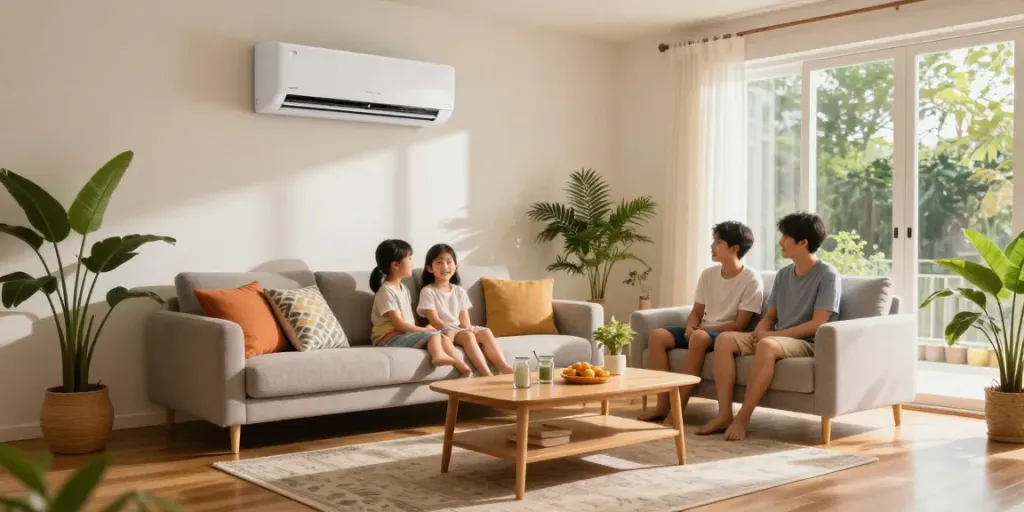
Understanding Ductless Air Conditioners
Ductless air conditioners have emerged as a popular alternative to traditional HVAC systems, particularly for homeowners looking to enhance comfort without the need for extensive ductwork. Unlike conventional systems, these units provide flexible cooling solutions, making them ideal for various spaces, including homes, offices, and small commercial settings. When exploring options, ductless air conditioner models offer comprehensive insights into efficient air conditioning solutions suitable for a variety of applications.
What is a Ductless Air Conditioner?
A ductless air conditioner, often referred to as a mini-split system, is an air conditioning unit that operates without the need for extensive ductwork. These systems are composed of two main components: an outdoor compressor and one or more indoor air-handling units. The indoor units are mounted on walls or ceilings and connected to the outdoor unit via refrigerant lines, enabling them to cool or heat spaces efficiently. This design allows for easy installation and flexibility in managing temperature across different areas of a building.
How Ductless Systems Work
Ductless air conditioners work through the principle of heat exchange. The system extracts heat from the indoor air, transferring it to the refrigerant, which then circulates to the outdoor unit. Here, the heat is expelled outside. Conversely, when heating is required, the system reverses the process, pulling heat from the outside air and releasing it indoors. This efficient heat transfer mechanism is made possible by advanced inverter technology, which modulates the compressor speed for precise temperature control, thereby optimizing energy consumption.
Advantages of Ductless Air Conditioning
- Energy Efficiency: Ductless systems are known for their high energy efficiency ratings (SEER), leading to lower utility bills compared to conventional units.
- Flexible Installation: The lack of ductwork allows for easier installation in various types of buildings, including older structures without existing duct systems.
- Zone Control: With multiple indoor units, homeowners can customize the temperature in different zones, providing comfort tailored to individual preferences.
- Improved Indoor Air Quality: Ductless systems often include filters that enhance air quality by reducing allergens and pollutants, which can be beneficial for those with respiratory issues.
Installation Insights for Ductless Air Conditioners
Installing a ductless air conditioner requires careful planning and consideration to ensure optimal performance and longevity. Below are some critical insights for homeowners looking to install these efficient systems.
Preparing Your Home for Installation
Before installation, assess your home’s layout and identify areas that require cooling or heating. Consider factors such as room sizes, insulation quality, and sun exposure. It is also essential to select suitable indoor units that can effectively cover the intended spaces. Consulting with a professional installer can help determine the best positioning for the outdoor and indoor units.
Common Installation Mistakes to Avoid
One common mistake during installation is improper placement of indoor units. Units placed too high or too low can lead to inefficient airflow and poor temperature regulation. Additionally, failing to seal refrigerant lines properly can result in leaks and decreased efficiency. It’s crucial to follow manufacturer guidelines and seek professional help to avoid these pitfalls.
DIY vs. Professional Installation: Pros and Cons
While some homeowners may consider DIY installation to save costs, it often comes with risks. Professional installers bring expertise, ensuring that the system is set up correctly and efficiently. They can also help with obtaining necessary permits and understanding local building codes. On the other hand, DIY installations can save money upfront but may lead to issues that require costly repairs or adjustments later.
Maintenance Tips for Optimal Performance
Regular maintenance is vital for keeping your ductless air conditioner running smoothly and efficiently. Here are some essential maintenance practices to consider.
Regular Cleaning and Filter Replacement
To maintain optimal airflow and energy efficiency, clean the filters regularly, ideally once a month during the cooling season. Most ductless systems come with washable filters that can be rinsed and reused. Additionally, the outdoor unit should be free of debris, leaves, and dirt to ensure proper airflow and cooling capability.
Signs Your Ductless System Needs Repairs
Be vigilant for signs that your ductless system may need repairs. Unusual noises, fluctuating temperatures, or increased energy bills can indicate that something is amiss. If your system is not cooling or heating efficiently, it’s essential to contact a professional for a thorough inspection.
Seasonal Maintenance Checklist
Adopting a seasonal maintenance checklist can help prolong the life of your ductless air conditioner. Key tasks include:
- Cleaning or replacing filters.
- Checking refrigerant levels.
- Inspecting electrical connections.
- Cleaning the outdoor unit and ensuring unobstructed airflow.
- Scheduling professional inspections at least once a year.
Cost Considerations for Ductless Systems
Investing in a ductless air conditioner involves several cost considerations, from initial setup costs to long-term savings on energy bills.
Initial Investment vs. Long-Term Savings
While the initial investment for a ductless system can be higher than traditional window units or portable air conditioners, the long-term savings on energy bills can offset these costs. Ductless systems typically have higher SEER ratings, translating to lower monthly energy expenses.
Understanding Energy Efficiency Ratings
Energy efficiency ratings like SEER (Seasonal Energy Efficiency Ratio) and HSPF (Heating Seasonal Performance Factor) help consumers compare the efficiency of different models. Higher ratings signify better energy efficiency, which should be a critical factor in your purchasing decision. Look for models that are ENERGY STAR certified for optimal performance.
Financing Options for Ductless Air Conditioners
Many manufacturers and retailers offer financing options for ductless air conditioning systems, making it easier for homeowners to manage the initial costs. Some programs provide low-interest loans or deferred payment plans, which can help spread the expense over time, making it more manageable.
Trends and Innovations in Ductless Technology for 2026
The ductless air conditioning market is evolving, with innovations aimed at enhancing efficiency and user experience. Here are some trends to consider for 2026 and beyond.
Smart Technology Integration
Many new ductless systems now come equipped with smart technology features, allowing users to control temperature settings remotely via smartphone apps. Integration with home automation systems ensures that homeowners can seamlessly manage their energy consumption and comfort levels.
Emerging Energy Efficiency Standards
As energy efficiency standards continue to evolve, consumers can expect enhancements that further reduce energy consumption. Manufacturers are increasingly focusing on developing systems that meet or exceed upcoming regulations, ensuring that consumers receive high-performing, environmentally friendly options.
Future-Proofing Your Ductless System
When investing in a new ductless system, consider features that will future-proof your investment. Look for models that offer adaptability, such as multi-zone capabilities or integration with renewable energy sources like solar panels, which can enhance sustainability and energy savings.
Are ductless air conditioners any good?
Many users report high satisfaction with ductless air conditioners, appreciating their efficiency, quiet operation, and versatility. However, it’s essential to assess your specific needs and consult with professionals to determine whether a ductless system is the right choice for your home.
How much does it cost to install a ductless AC unit?
The installation cost for a ductless air conditioning unit varies based on factors such as home size, unit type, and local labor rates. Typically, homeowners can expect to pay between $3,000 to $5,000 for a complete installation, but this may vary significantly based on specific circumstances.
What are the downsides of a mini split AC system?
While ductless systems offer numerous advantages, they are not without drawbacks. Initial costs can be higher than traditional systems, and improper installation can lead to inefficiencies. Additionally, some homeowners may find the indoor unit’s aesthetic unappealing.
Is it cheaper to run a mini split or central AC?
In most cases, running a mini-split system is cheaper due to its higher energy efficiency and the ability to control temperatures in specific areas, reducing waste in unoccupied spaces. Homeowners should evaluate their usage patterns to determine the best option for their needs.
Best maintenance practices for ductless systems?
To ensure the longevity and efficiency of ductless air conditioners, practice regular cleaning of the filters and outdoor units, monitor refrigerant levels, and seek annual inspections from qualified technicians. Keeping a detailed maintenance log can also help track performance and identify potential issues early.